Otto Zimmermann · 26 September 2026
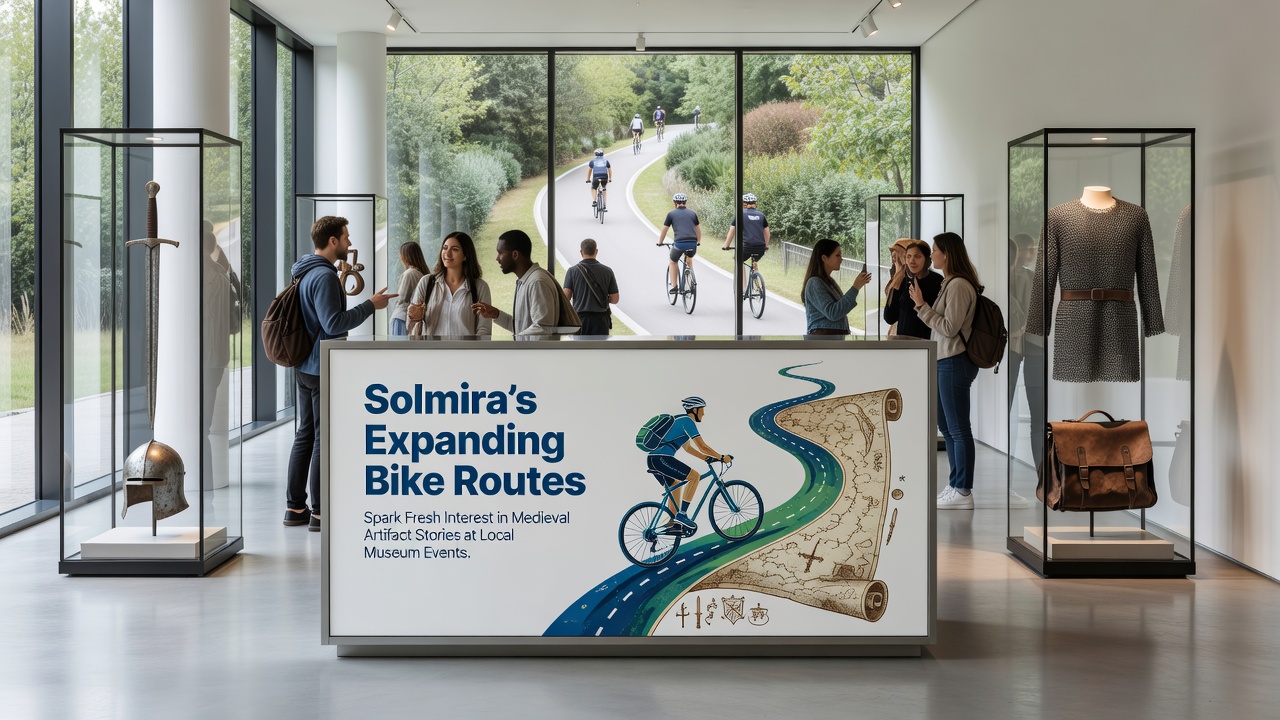
Solmira's Expanding Bike Routes Spark Fresh Interest in Medieval Artifact Stories at Local Museum Events
Network expansions in Solmira have connected previously isolated rural paths to the town center since early 2025, and these additions now guide riders past several documented medieval sites that include ruins and preserved foundations. Data from the regional tourism office shows a 34 percent increase in bicycle traffic along the new corridors between March and August 2025, while museum attendance records indicate parallel growth in visits to artifact exhibitions during the same period.
Bike Infrastructure Developments and Route Details
Local authorities completed 18 kilometers of dedicated cycling lanes that link the central plaza with the eastern ridge trail system, and these lanes incorporate wayfinding signs that reference nearby historical markers rather than standard directional arrows alone. Construction crews integrated solar-powered lighting along the newest segments to extend safe riding hours into evening periods, whereas older paths relied on separate municipal grids. According to the European Cyclists' Federation, similar infrastructure upgrades in comparable mid-sized European towns have produced measurable upticks in heritage tourism when routes intersect with preserved sites.
Engineers designed the routes to follow historic trade paths that medieval merchants once used, and this alignment places riders within view of stone remnants and earthworks that date from the 12th through 14th centuries. Maintenance teams added gravel shoulders at key viewpoints to allow safe stops without blocking the main lane, while drainage systems prevent water accumulation near fragile archaeological zones during heavy rains.
Museum Programming and Artifact Narratives
Staff at the Solmira Regional Museum adjusted their event calendar to accommodate rising visitor numbers, and they introduced weekly storytelling sessions that focus on specific artifacts recovered from sites now visible from the bike routes. Curators selected items such as pottery fragments and metalwork tools for these sessions because their discovery locations align with trail segments, and attendance logs record an average of 47 participants per session throughout the summer months.
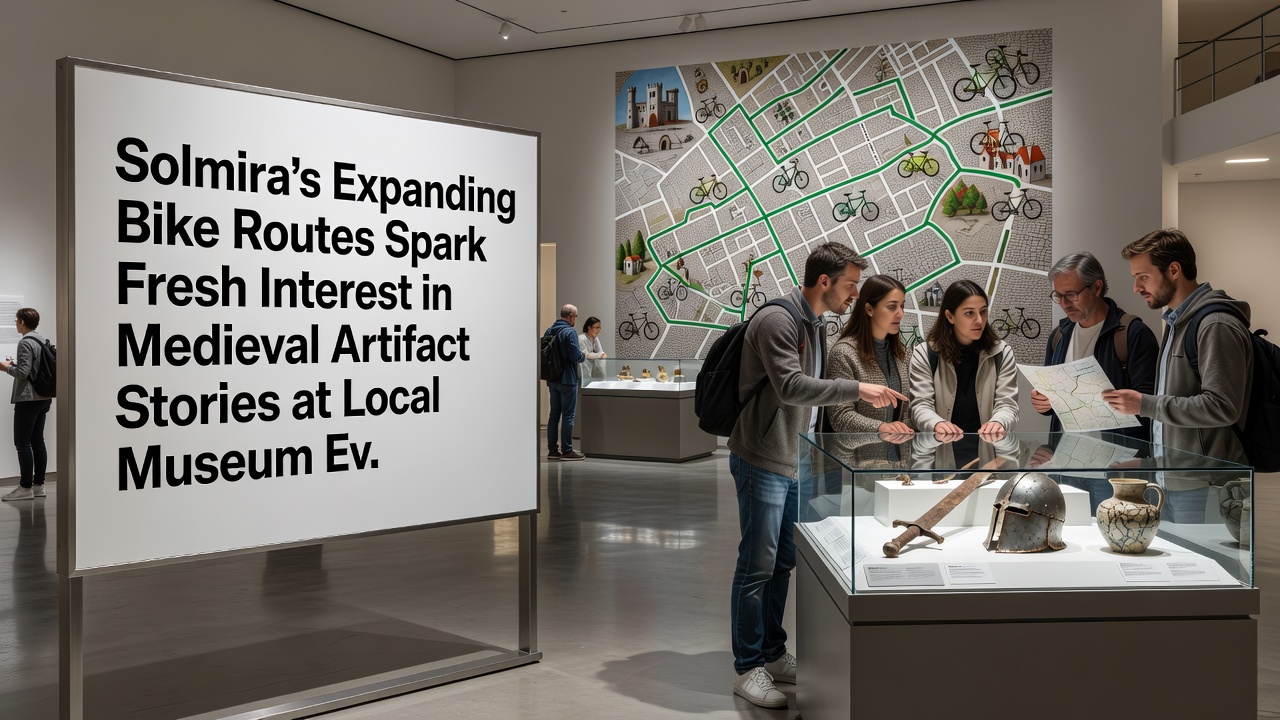
Exhibits incorporate digital displays that overlay route maps onto period illustrations, which allows attendees to trace how the modern paths correspond to older roadways. Researchers from the University of Lisbon contributed mapping data that cross-references excavation reports with contemporary satellite imagery, and this material now forms the basis for two new interactive kiosks inside the main gallery. September 2026 events will feature extended evening hours tied to the autumn equinox, with guided walks that begin at the museum and follow a short segment of the bike network to a recently stabilized watchtower foundation.
Visitor Patterns and Regional Comparisons
Survey responses collected at the museum entrance reveal that 61 percent of new attendees arrived after cycling one of the expanded routes, whereas only 22 percent reported prior knowledge of the exhibitions. Organizers note that families represent the largest growth segment, with many citing the combination of physical activity and on-site historical context as the deciding factor. Comparable programs in towns such as those tracked by Heritage Canada have shown similar correlations between trail access and museum engagement when signage and programming emphasize direct site connections.
Local businesses along the routes have begun offering artifact-themed refreshments and rental accessories that include replica coin pouches, yet these additions remain secondary to the primary trail and exhibition infrastructure. Parking data from the central lot indicates reduced vehicle counts on weekends when bicycle traffic peaks, and air quality monitors positioned near the main trailhead record corresponding drops in localized emissions during those same intervals.
Future Coordination Between Trails and Heritage Sites
Planning documents outline additional signage upgrades scheduled for late 2026 that will include QR codes linking directly to artifact provenance records maintained by the museum archive. Coordination meetings between the parks department and museum curators occur quarterly to align maintenance schedules and avoid disruptions during peak event periods. International Council of Museums guidelines on site interpretation inform the content choices, ensuring that narrative elements remain grounded in verified excavation findings rather than interpretive speculation.
Continued monitoring of both cyclist volumes and exhibition participation will determine whether further route extensions proceed in 2027, and preliminary models project sustained interest if current attendance trends hold through the winter season.
Conclusion
The integration of expanded cycling infrastructure with established medieval artifact programming has produced documented increases in both trail usage and museum visits across Solmira, and scheduled events for September 2026 will test whether this pattern continues under seasonal conditions. Records from participating organizations provide the primary source material for evaluating these developments, while external benchmarks from European and North American heritage networks supply context for interpreting local figures.